
Grade 2 Money Worksheets Ontario: 6 Real-Life Activities
Grade 2 money worksheets Ontario parents often print out look deceptively simple on the page — a few coins, a total to find, done. But hand a real seven-year-old an actual pile of coins and ask them to make exact change, and the confidence from the worksheet tends to evaporate fast. Having spent years supporting Ontario’s Primary Division classrooms, I’ve noticed this gap constantly: kids can add numbers just fine, but combining coins into a specific total, or figuring out change owed, asks for a different kind of flexible thinking that a worksheet alone rarely builds.
This guide breaks down what Ontario’s Grade 2 curriculum expects around money, why making change trips kids up more than counting does, and six real-life activities to build genuine confidence at home.
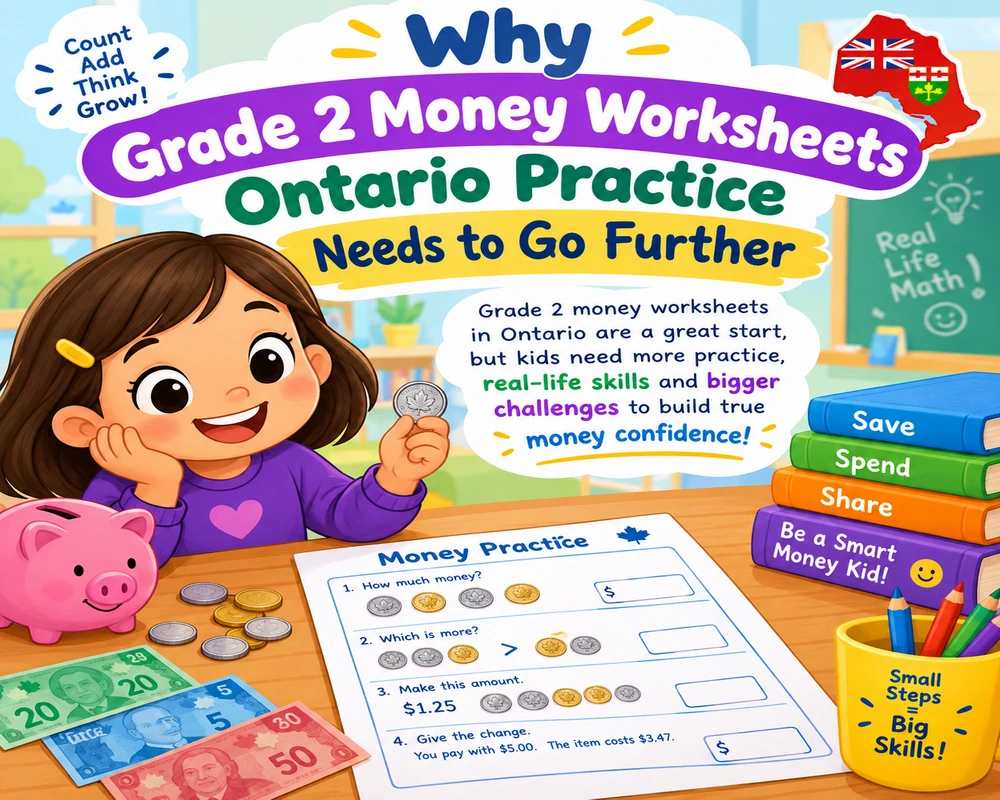
Why Grade 2 Money Worksheets Ontario Practice Needs to Go Further
Money sits under Ontario’s Financial Literacy strand, and Grade 2 marks a real step up from the simple coin recognition covered in Grade 1. Students now need to combine multiple coin types to reach a specific total, compare different combinations that add up to the same amount, and begin working with simple change-making scenarios.
This matters because Grade 2 money worksheets Ontario teachers assign are meant to build flexible thinking, not just addition practice. A child who only ever adds coins in one fixed way struggles the moment a problem asks for a total using the fewest coins possible, or asks how much change is owed after a purchase.
What the Ontario Curriculum Expects in Grade 2
By the end of Grade 2, students are generally expected to:
- Count combinations of coins and small bills up to $2
- Represent the same amount of money using different coin combinations
- Compare two amounts of money to determine which is greater
- Solve simple problems involving adding and subtracting money
- Begin making simple change in familiar shopping contexts
Notice that formal decimal notation for dollars and cents together (like $1.25) isn’t the main focus yet — that becomes more prominent in later grades. Grade 2 money worksheets Ontario students work through are really about coin fluency and simple real-world problem solving.
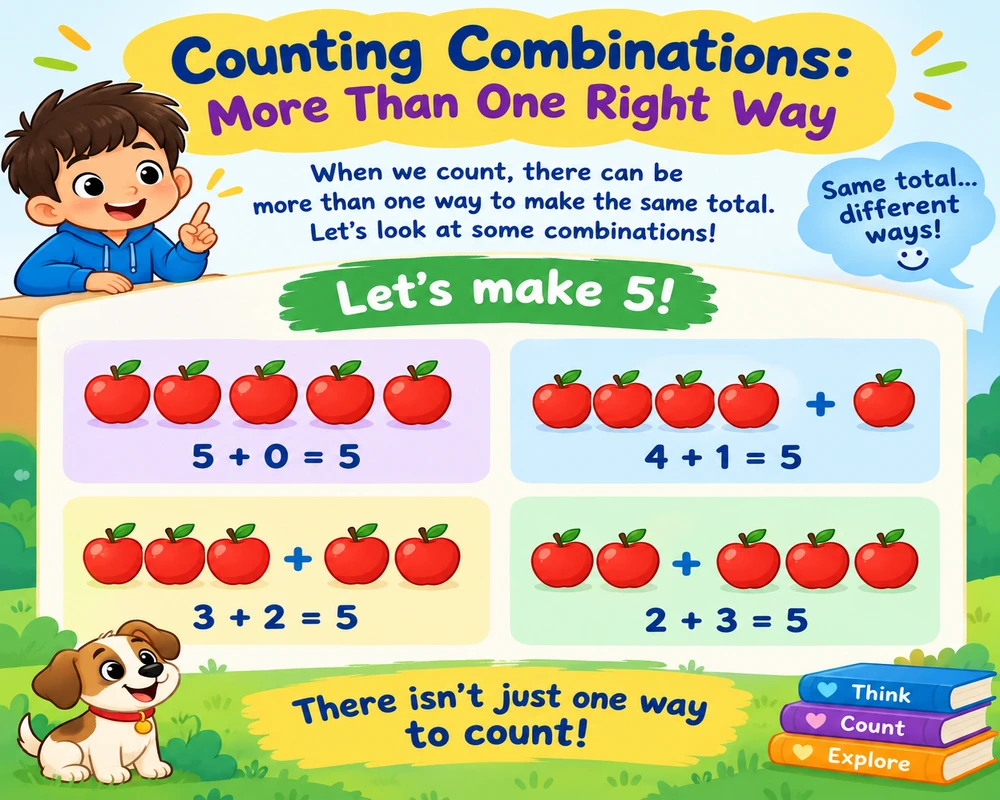
Counting Combinations: More Than One Right Way
The Same Total, Different Coins
One of the more important ideas in Grade 2 is that a single amount can be made several different ways. This flexibility is exactly what separates genuine understanding from simply memorizing one combination.
| Amount | Combination A | Combination B |
|---|---|---|
| 25¢ | 1 quarter | 2 dimes + 1 nickel |
| 30¢ | 3 dimes | 1 quarter + 1 nickel |
| 50¢ | 2 quarters | 5 dimes |
A useful home question: “Can you make 30 cents a different way than you just did?” This single question builds far more flexible thinking than repeated worksheet drills using only one method.
Counting Practice Questions
- You have 2 quarters and 1 dime. How much money do you have?
- You have 3 dimes, 2 nickels, and 4 pennies. How much money do you have?
- You have 1 loonie and 3 quarters. How much money do you have?
Answers: 1) 60¢ 2) 44¢ 3) $1.75
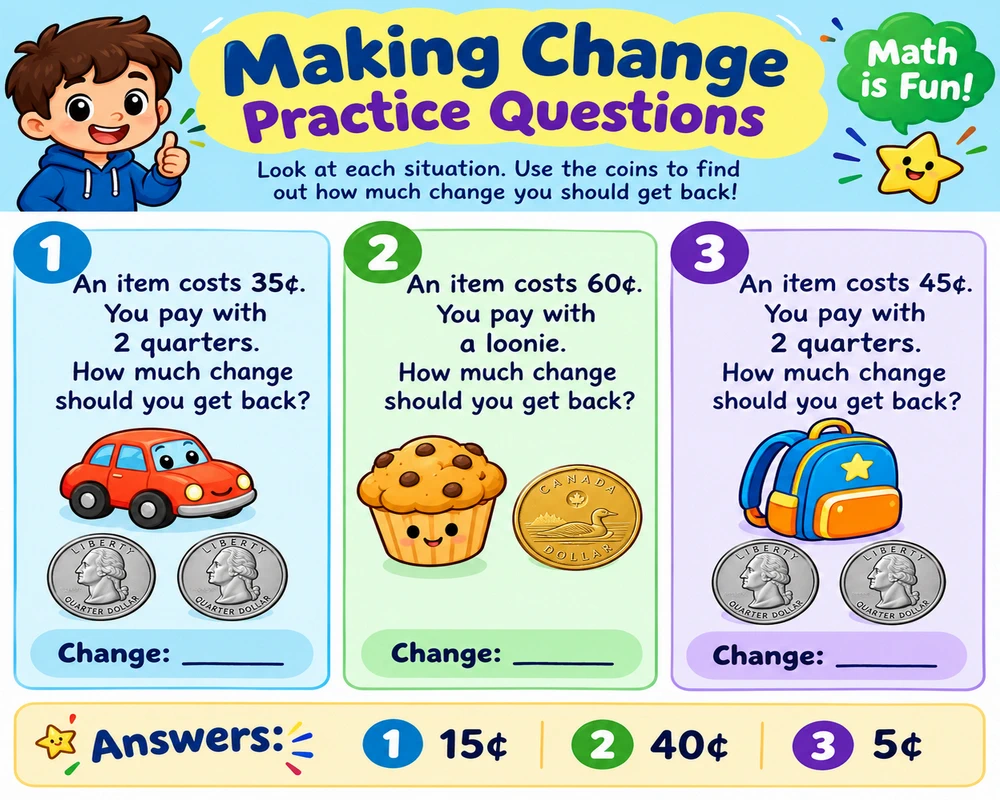
Making Change: The Real Challenge
Why Making Change Is Genuinely Harder
Making change asks a child to think backward — starting from a bigger amount and figuring out what’s left after spending, rather than simply adding coins together. This reverse thinking is exactly why it deserves its own dedicated practice, separate from basic counting.
Making Change Practice Questions
- An item costs 35¢. You pay with 2 quarters. How much change should you get back?
- An item costs 60¢. You pay with a loonie. How much change should you get back?
- An item costs 45¢. You pay with 2 quarters. How much change should you get back?
Answers: 1) 15¢ 2) 40¢ 3) 5¢
6 Real-Life Money Activities for Grade 2
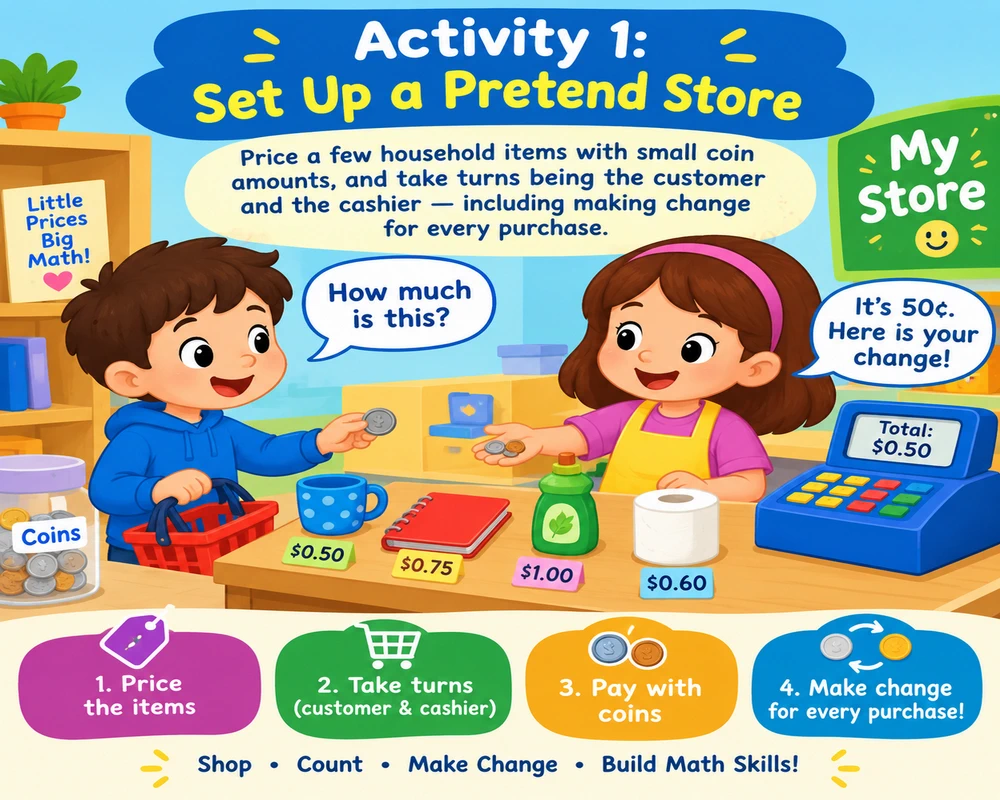
Activity 1: Set Up a Pretend Store
Price a few household items with small coin amounts, and take turns being the customer and the cashier — including making change for every purchase.
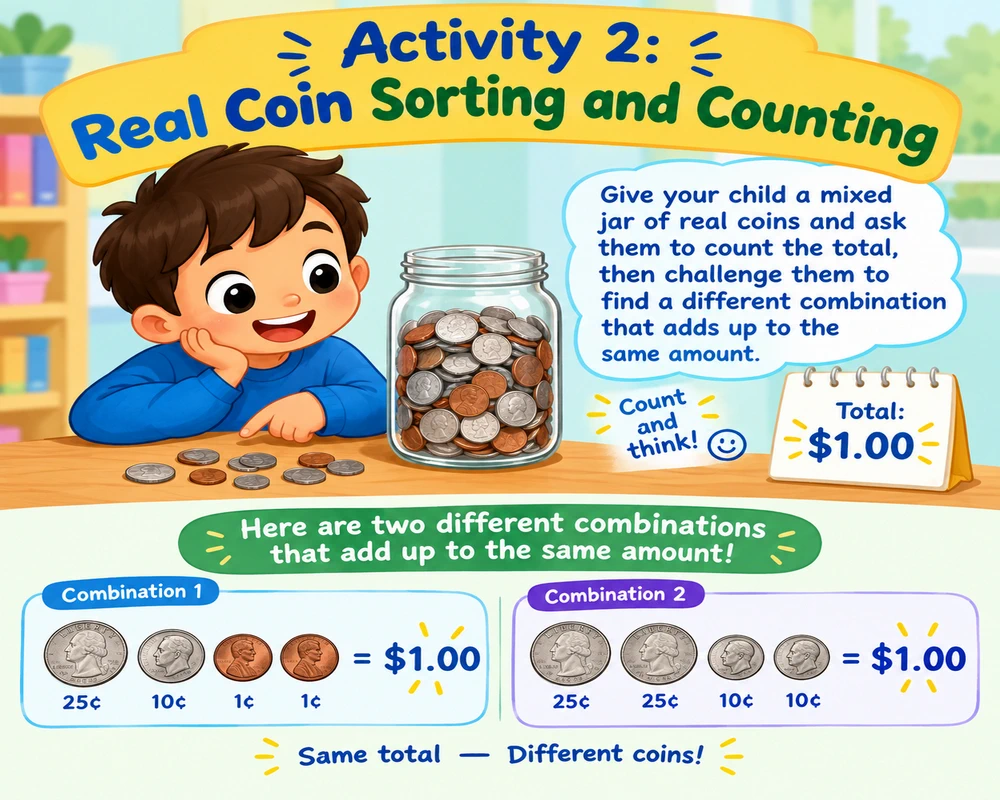
Activity 2: Real Coin Sorting and Counting
Give your child a mixed jar of real coins and ask them to count the total, then challenge them to find a different combination that adds up to the same amount.
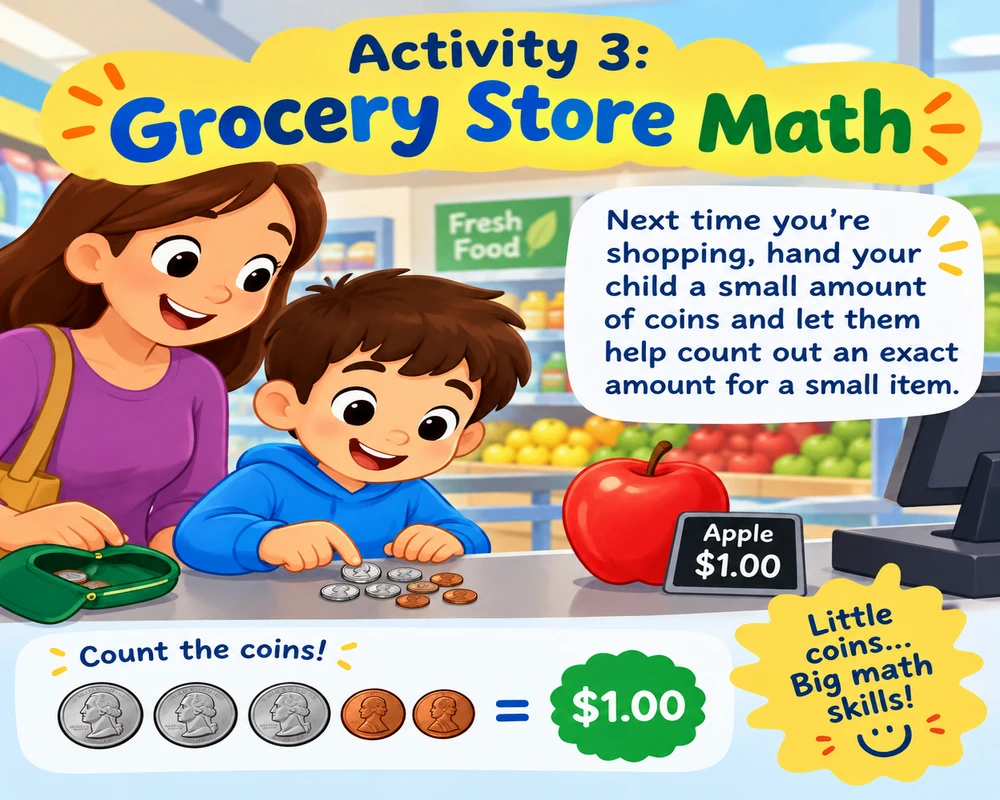
Activity 3: Grocery Store Math
Next time you’re shopping, hand your child a small amount of coins and let them help count out an exact amount for a small item.
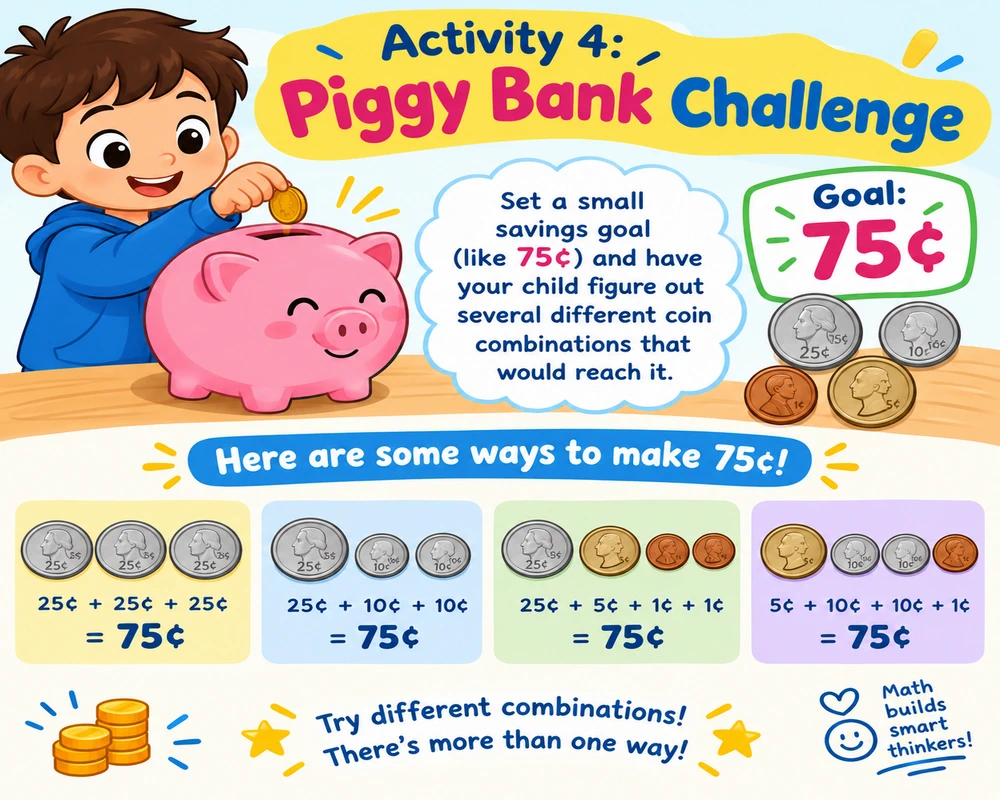
Activity 4: Piggy Bank Challenge
Set a small savings goal (like 75¢) and have your child figure out several different coin combinations that would reach it.
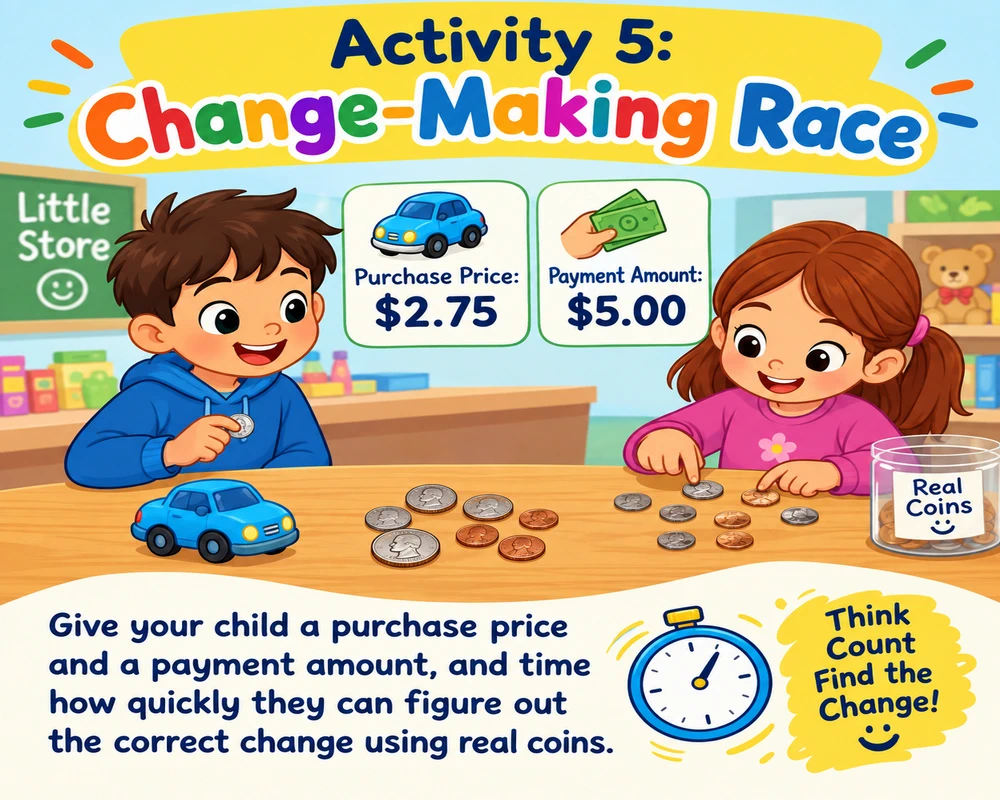
Activity 5: Change-Making Race
Give your child a purchase price and a payment amount, and time how quickly they can figure out the correct change using real coins.
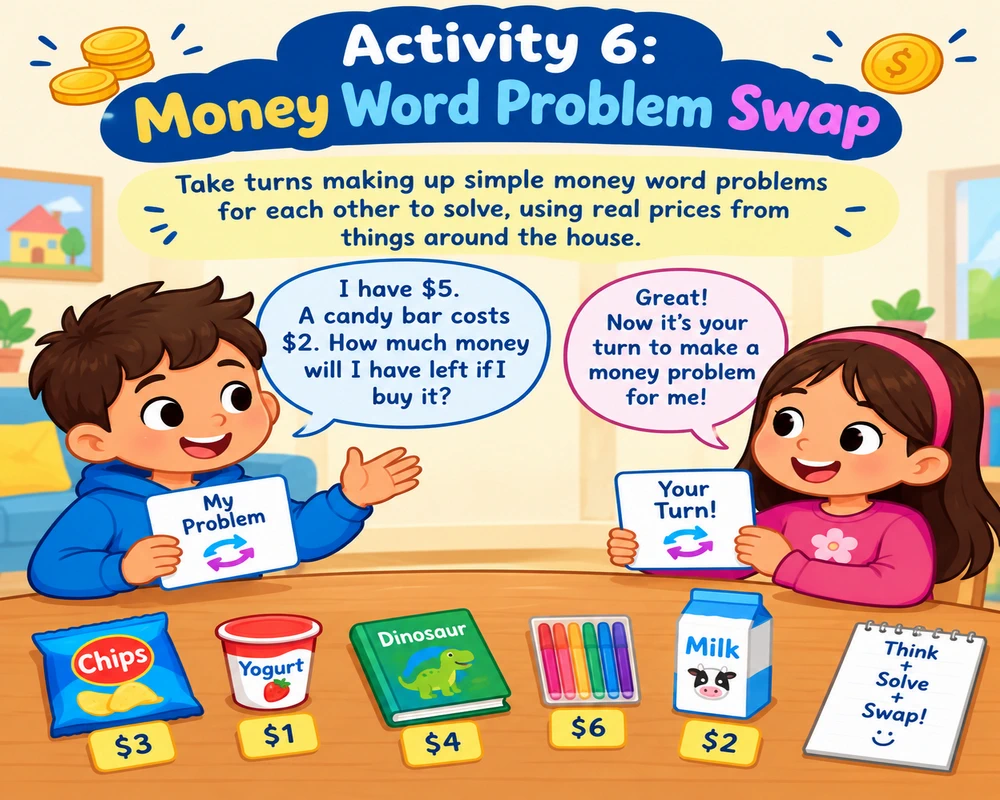
Activity 6: Money Word Problem Swap
Take turns making up simple money word problems for each other to solve, using real prices from things around the house.
Real-Life Word Problems
- Priya has 1 quarter, 2 dimes, and 1 nickel. Does she have enough to buy a sticker that costs 50¢?
- Sam bought a pencil for 40¢ and paid with 2 quarters. How much change did he get?
- Malik has 3 quarters. His friend gives him 2 dimes. How much money does he have now?
Answers: 1) No, she has 60¢, but only if counted correctly — recount: 25+20+5=50¢, so yes, exactly enough 2) 10¢ 3) 95¢
These Grade 2 money worksheets Ontario teachers rely on work best when paired with hands-on activities like the ones below, rather than used on their own.
Common Mistakes in Grade 2 Money Practice
Assuming Only One Correct Combination Exists
Many students get stuck the moment a problem asks for a different combination than the one they already know. Regular practice finding multiple ways to make the same amount directly addresses this.
Struggling to Think Backward for Change
Making change requires reverse reasoning that doesn’t come naturally right away. Practicing with real purchases, rather than abstract worksheet numbers, tends to build this skill faster.
Mixing Up Coin Values Under Time Pressure
Even kids who know coin values well sometimes make errors when rushing. Slowing down and counting coins out loud, one at a time, helps prevent careless mistakes. Most errors students make on Grade 2 money worksheets Ontario classrooms assign come down to rushing rather than a real gap in understanding.
Conclusion: Real Money Skills for Real Life
Grade 2 money worksheets Ontario families use are a helpful starting point, but the real skill — flexible counting and confident change-making — comes from hands-on practice with actual coins and real purchases. Give your child regular, low-pressure opportunities to count, combine, and make change, and this becomes one of the most genuinely useful math skills they’ll carry well beyond elementary school.
Set up a quick pretend store tonight using a few household items and some spare change. A few minutes of playful practice like this builds real confidence no printed worksheet alone can match. Consistent practice with Grade 2 money worksheets Ontario families use at home, paired with real coins, builds the exact flexible thinking children need for everyday money situations.
Frequently Asked Questions
1. How much money should a Grade 2 student be able to count?
Students are generally expected to count combinations of coins and small bills up to around $2 by the end of Grade 2.
2. Why does my child struggle with making change specifically?
Making change requires reverse reasoning, working backward from a total, which is genuinely harder than simply adding coins together. It benefits from its own dedicated, real-life practice.
3. Is it important to show multiple ways to make the same amount?
Yes, this builds real flexibility rather than memorized, single-path thinking, and it directly matches what the Ontario curriculum expects at this grade.
4. Should I use real coins or printed worksheets?
Real coins are ideal when available, since the physical handling builds stronger understanding, though worksheets are a useful supplement for extra repetition.
5. Does Grade 2 cover paper money and decimals?
Only lightly. Formal decimal notation for dollars and cents together becomes a bigger focus in later grades, so Grade 2 keeps things mostly in whole cents.
6. How much money practice should we do at home each week?
About 10-15 minutes, a few times a week, tends to be enough, especially when built into real activities like pretend shopping.
7. How does this connect to later grades?
It builds the coin fluency and reasoning that support more formal decimal money work and budgeting concepts introduced in later grades.
Money is just one part of a full Grade 2 year that also covers addition, subtraction, time, and measurement. For the complete picture, our Grade 2 math practice hub brings every topic together in one place.
Hands-on financial literacy doesn’t need to be complicated at this age. The Financial Consumer Agency of Canada offers free, age-appropriate resources that build these same money habits into everyday family routines.