
Ontario Math Curriculum for Newcomer Families: 6 Tips
A parent who moved to Ontario mid-year often notices something surprising within the first few weeks: the math their child brings home doesn’t quite match what they remember from their own schooling, even if math itself hasn’t changed. Ontario math curriculum for newcomer families genuinely differs from many other countries’ approaches — not in the underlying mathematics, but in sequencing, terminology, and teaching style. Understanding those differences early makes the entire settling-in process smoother for both parent and child.
This guide covers what Ontario math curriculum for newcomer families actually involves, six practical tips for the transition, and where to find the specific expectations for your child’s exact grade. By the end, the goal is a much clearer picture of Ontario math curriculum for newcomer families than most settlement resources typically provide.
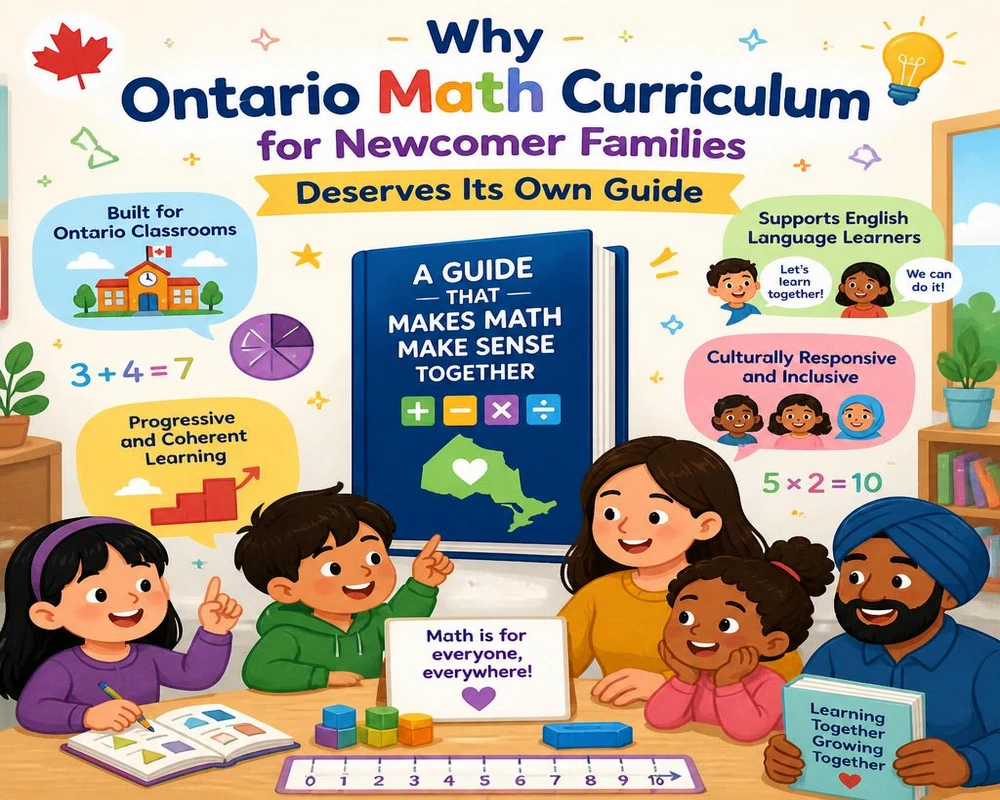
Why Ontario Math Curriculum for Newcomer Families Deserves Its Own Guide
Immigration accounts for the large majority of Canada’s population growth, and Ontario receives a substantial share of newcomer families every year, many with school-aged children entering the system mid-year rather than at the traditional September start. Ontario math curriculum for newcomer families is rarely explained clearly anywhere, leaving parents to piece together differences through trial and error, often during an already stressful settlement period. This gap is exactly what makes a clear guide to Ontario math curriculum for newcomer families genuinely useful.
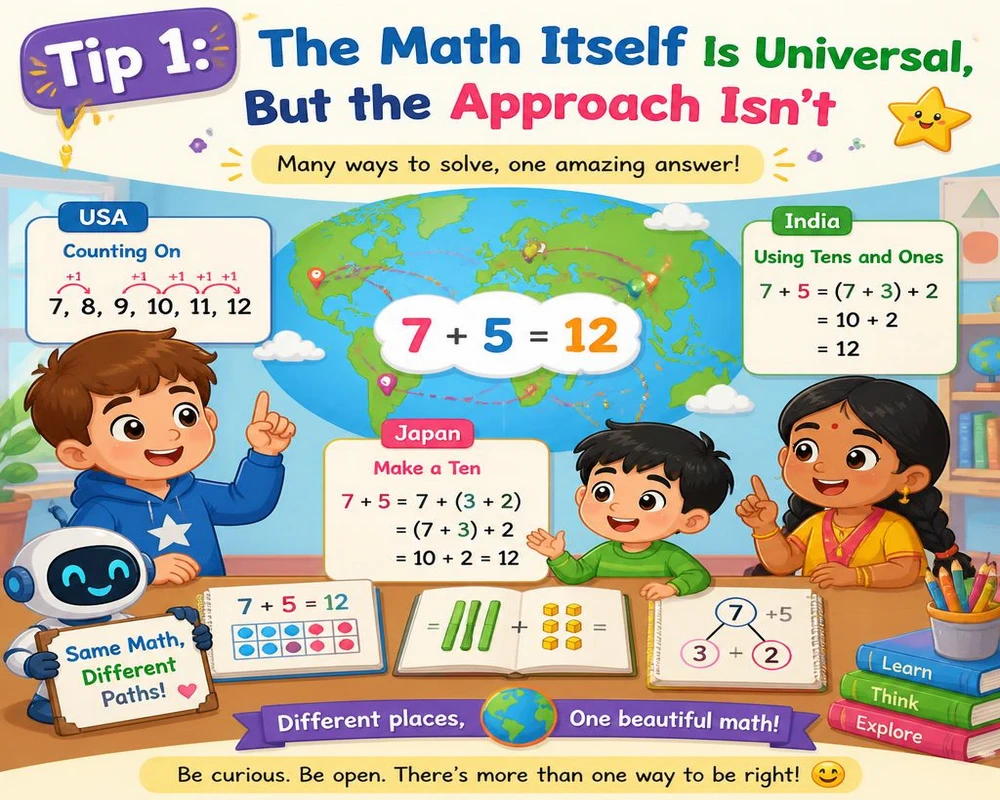
Tip 1: The Math Itself Is Universal, But the Approach Isn’t
What’s the Same
Addition is addition, and multiplication facts don’t change based on which country taught them. The actual mathematical content a child already knows almost always transfers directly, regardless of where it was originally learned.
What’s Different
Ontario’s curriculum tends to emphasize explaining reasoning and trying multiple strategies for the same problem, rather than a single memorized procedure. A child taught one fixed method elsewhere may find Ontario classrooms expecting them to explain “why,” not just “how,” which can feel unfamiliar even when the math itself is easy.
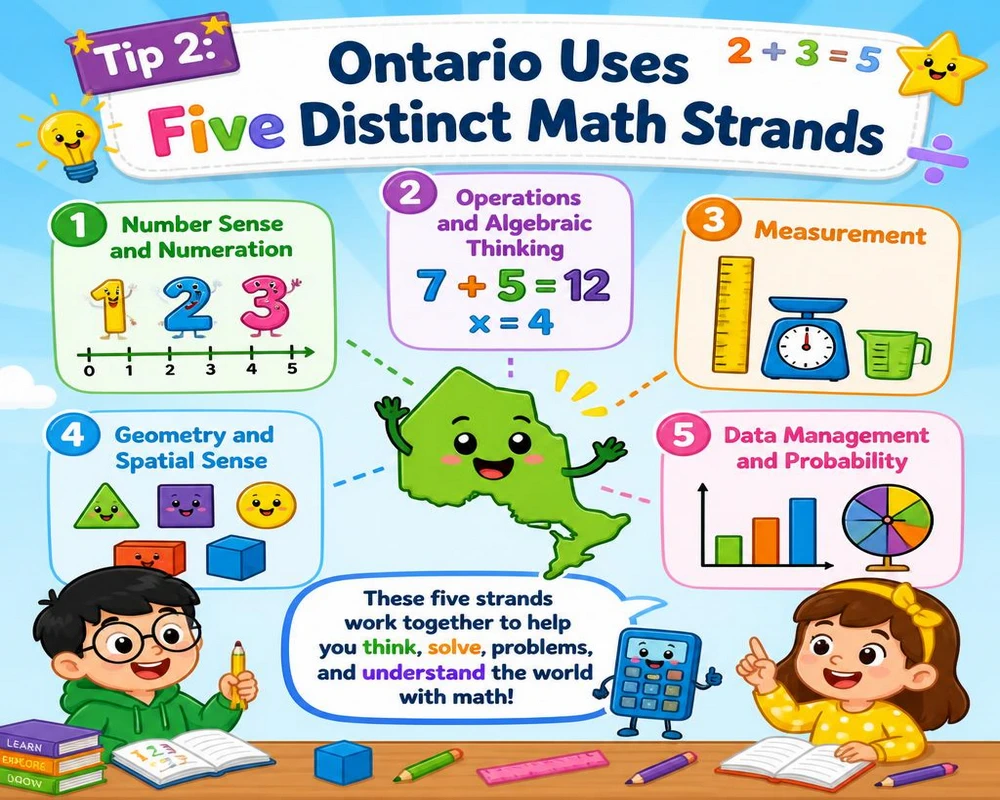
Tip 2: Ontario Uses Five Distinct Math Strands
Ontario organizes math into five strands — Number, Algebra, Data, Spatial Sense, and Financial Literacy — taught continuously from Grade 1 through Grade 8. Financial Literacy specifically is a genuinely newer addition many other countries’ curricula don’t include as a dedicated, standalone area, so this strand may be entirely unfamiliar territory even for a strong math student navigating Ontario math curriculum for newcomer families for the first time.
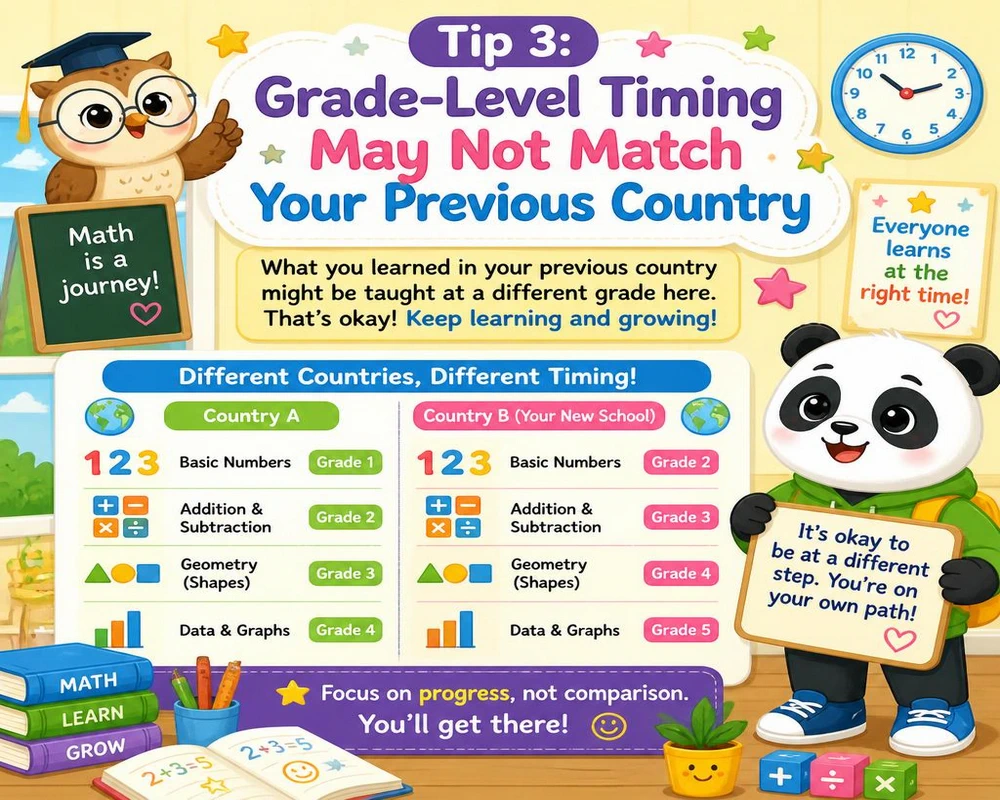
Tip 3: Grade-Level Timing May Not Match Your Previous Country
A topic taught in Grade 4 in one country might appear in Grade 3 or Grade 5 in Ontario, and vice versa. This mismatch can make a child temporarily appear either ahead or behind classmates on a specific topic, when the reality is simply a different sequencing choice, not a skill gap. This particular difference is one of the most common sources of confusion within Ontario math curriculum for newcomer families discussions online, since it genuinely surprises even confident, mathematically strong students.
How to Check the Actual Ontario Timing
Rather than assuming based on age or previous grade level, checking Ontario’s specific expectations for the current grade gives a much more accurate picture than comparing to a different country’s sequence.
Tip 4: Math Vocabulary in English May Need Direct Teaching
A child who’s mathematically strong in their first language may still need explicit help connecting English math vocabulary — “regroup,” “denominator,” “estimate” — to concepts they already understand well. This is a vocabulary gap, not a math gap, and treating it as such matters for keeping a child’s confidence intact throughout their first year navigating Ontario math curriculum for newcomer families.
A Simple Home Strategy
Keeping a running list of new English math terms, paired with their meaning in a child’s first language where possible, helps bridge this gap without slowing down actual math progress.
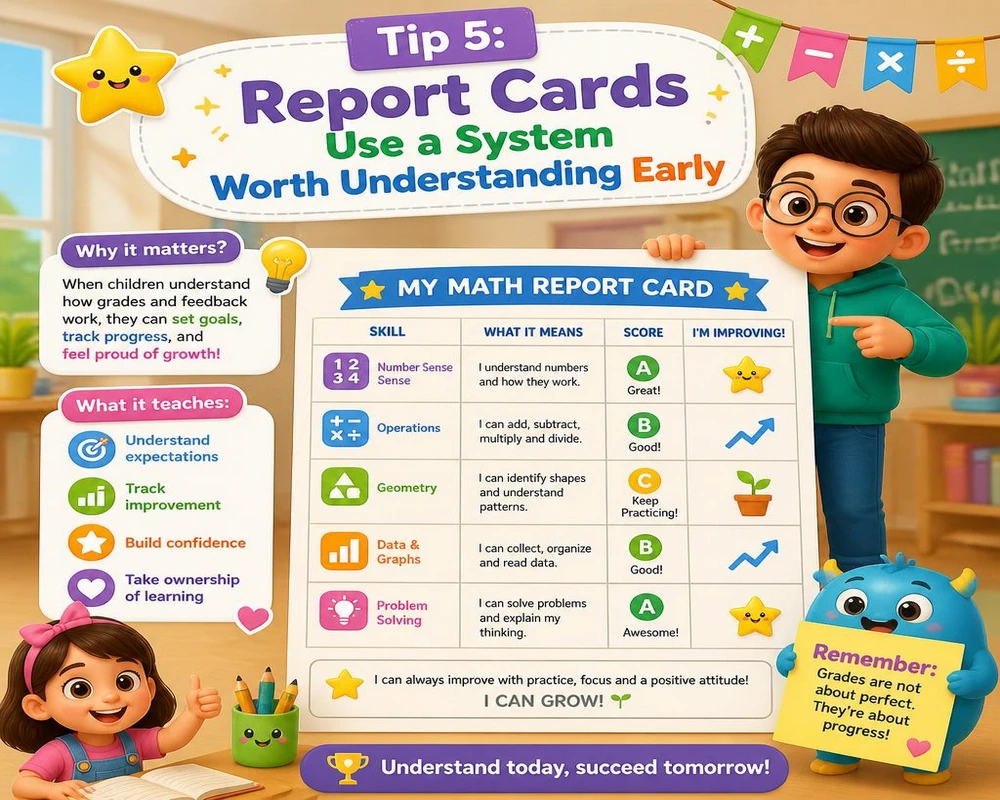
Tip 5: Report Cards Use a System Worth Understanding Early
Ontario’s elementary report cards use a four-level scale, with Level 3 representing the actual provincial standard for that grade, not simply “average.” A newcomer family unfamiliar with this system might misread a Level 3 as mediocre, when it’s genuinely the target every student is working toward. Getting comfortable with this scale early is one of the more practically useful parts of understanding Ontario math curriculum for newcomer families overall.
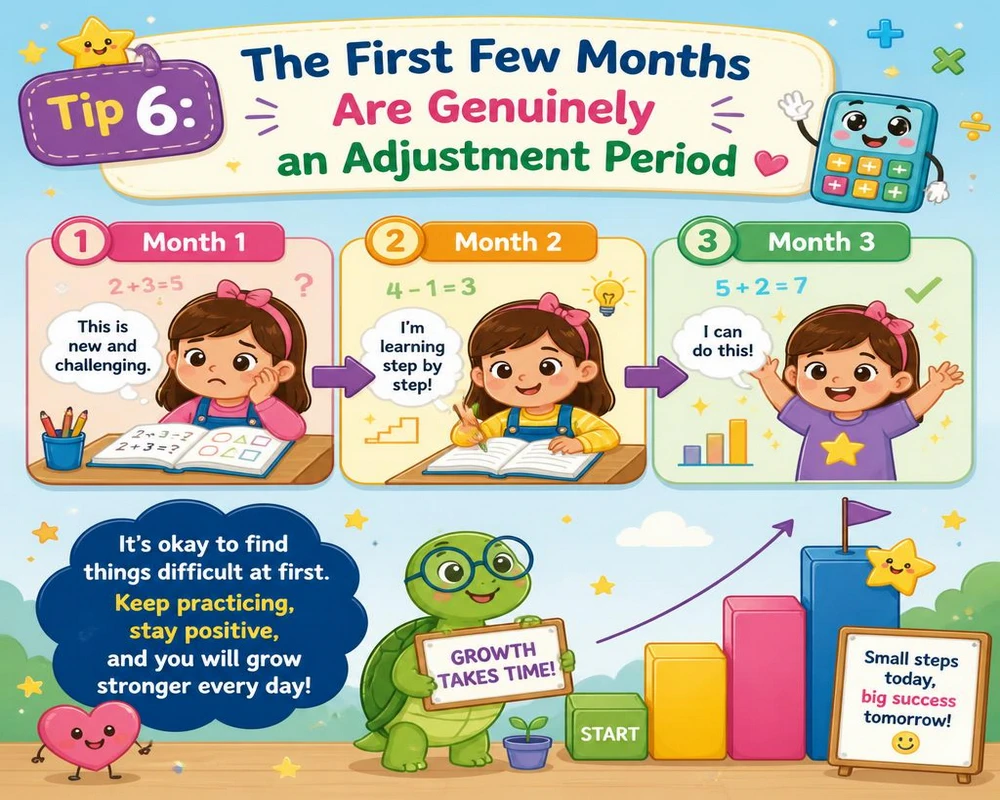
Tip 6: The First Few Months Are Genuinely an Adjustment Period
Settling into a new curriculum, new vocabulary, and often a new language of instruction simultaneously is a real, significant adjustment. A temporary dip in confidence or performance during the first few months rarely reflects a lasting problem, and tends to resolve as familiarity builds. Keeping this in mind helps prevent overreacting to early struggles that are really just a normal, expected part of adjusting to Ontario math curriculum for newcomer families settling into a new school system.
A Quick Comparison Table
| What a Newcomer Family Might Expect | What Ontario Actually Does |
|---|---|
| One fixed method for each type of problem | Multiple strategies encouraged for the same problem |
| Money/budgeting taught informally, if at all | Financial Literacy as a dedicated, formal strand from Grade 1 |
| Grade-level topic timing matching home country | Ontario’s own specific sequence, which may shift topics earlier or later |
| Report card grades as simple pass/fail or percentage | A four-level scale where Level 3 is the actual target standard |
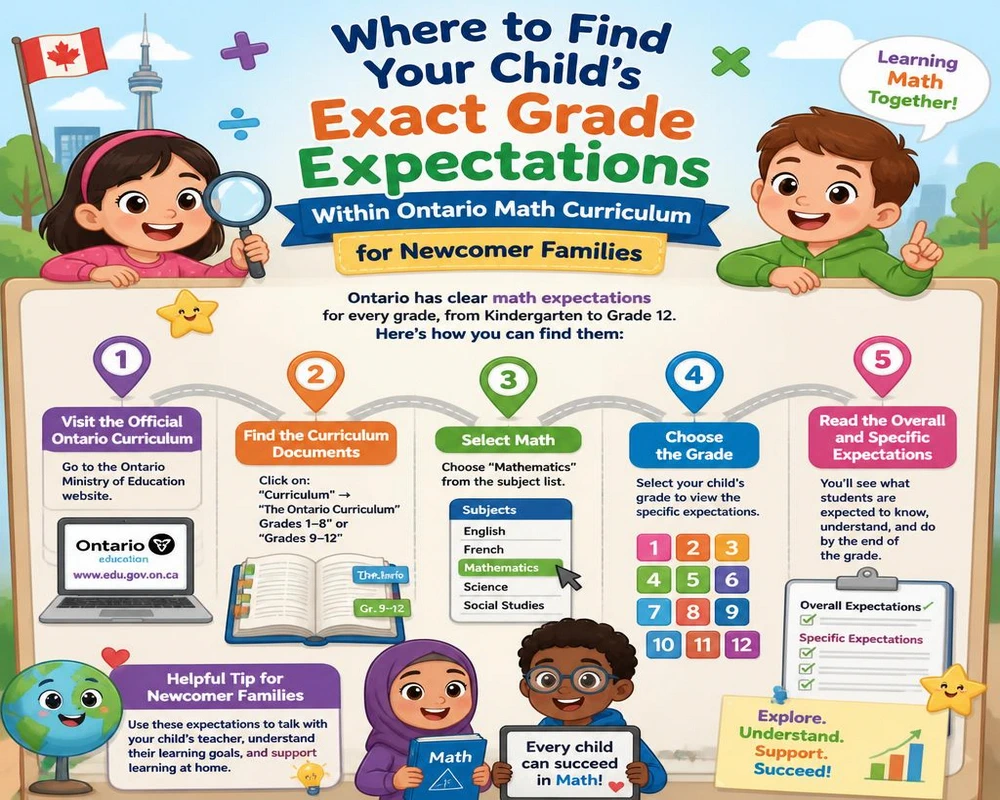
Where to Find Your Child’s Exact Grade Expectations Within Ontario Math Curriculum for Newcomer Families
Rather than guessing based on age or previous schooling, checking the specific Ontario expectations for your child’s actual grade gives the clearest picture of what’s genuinely expected right now. Grade 1 introduces foundational counting and simple shapes, while Grade 2 builds toward two-digit operations and telling time. By Grade 3, students begin formal multiplication and take their first EQAO assessment, and Grade 4 introduces long division and more formal geometry. Grade 5 deepens decimal and fraction work considerably, and Grade 6 brings integers, formal ratios, and a second EQAO assessment before the transition into Intermediate grades.
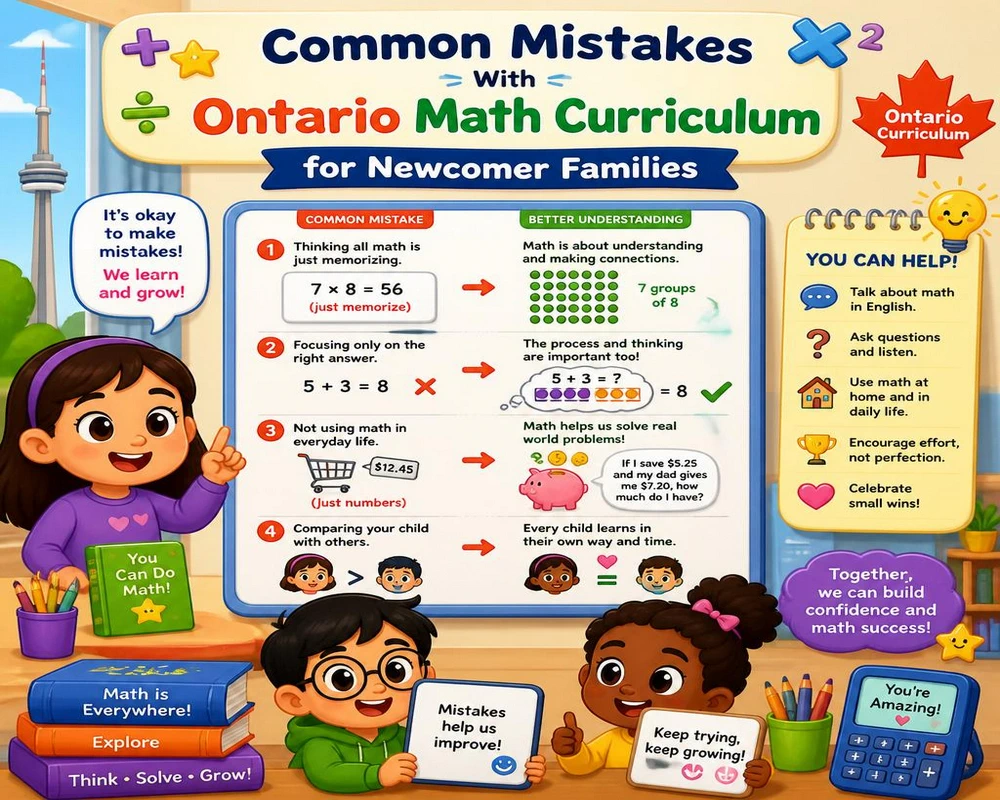
Common Mistakes With Ontario Math Curriculum for Newcomer Families
Assuming a Child Is Behind Based on Topic Order Alone
Since Ontario’s sequencing genuinely differs from many other systems, a topic appearing “late” compared to a previous country doesn’t necessarily mean a real gap — it may simply be Ontario’s own timing.
Translating Math Help Entirely Into the First Language
While explaining a concept in a child’s stronger language can help initially, eventually connecting that understanding to English vocabulary matters, since assessments and classroom instruction happen in English.
Waiting Too Long to Ask the Teacher Questions
Teachers are generally used to supporting newcomer families and can clarify specific curriculum questions directly, often saving weeks of independent guesswork.
Frequently Asked Questions
1. Is Ontario’s math curriculum harder or easier than other countries?
Neither, generally — the content itself is comparable internationally, though the sequencing, terminology, and emphasis on explaining reasoning within Ontario math curriculum for newcomer families can feel different from what a family is used to.
2. How can I tell if my child is genuinely behind or just experiencing a curriculum mismatch?
Comparing actual performance against Ontario’s specific grade-level expectations, rather than assumptions based on a previous country’s sequence, gives the clearest picture.
3. Does Ontario’s Financial Literacy strand exist in most countries’ curricula?
Not as a dedicated, standalone strand in many cases, which means it may be genuinely new territory even for an otherwise strong math student.
4. How long does the adjustment period typically last?
This varies by family, but a few months of adjustment to new vocabulary, sequencing, and teaching style is common and doesn’t usually indicate a lasting problem.
5. Should I hire a tutor immediately if my child seems behind?
Not necessarily right away — first confirming whether the gap is genuine or simply a sequencing mismatch against Ontario’s specific curriculum often clarifies whether extra support is actually needed.
6. How can I help with math vocabulary if I’m not fluent in English myself?
Working alongside your child to build a shared list of English math terms, even while both of you are still learning, can genuinely help, and the classroom teacher can also point toward specific vocabulary resources.
7. Where can I find practice questions matched to Ontario’s specific curriculum?
Our Ontario math practice platform organizes lessons by grade and strand, matching exactly the sequence and terminology that Ontario math curriculum for newcomer families need to get comfortable with quickly.
Explore what each specific grade covers through our Grade 1, Grade 2, Grade 3, Grade 4, Grade 5, and Grade 6 math practice hubs, or see our full Ontario math curriculum by grade guide for a complete breakdown.
For broader settlement resources beyond math specifically, Settlement.org, funded by the Ontario government, provides comprehensive guidance for newcomer families navigating the province’s education system.